Guide to Stucco Crack Repair: Structural vs. Cosmetic Protocols
Written by Stucco Champions — Southern California’s Authority on Exterior Plastering.
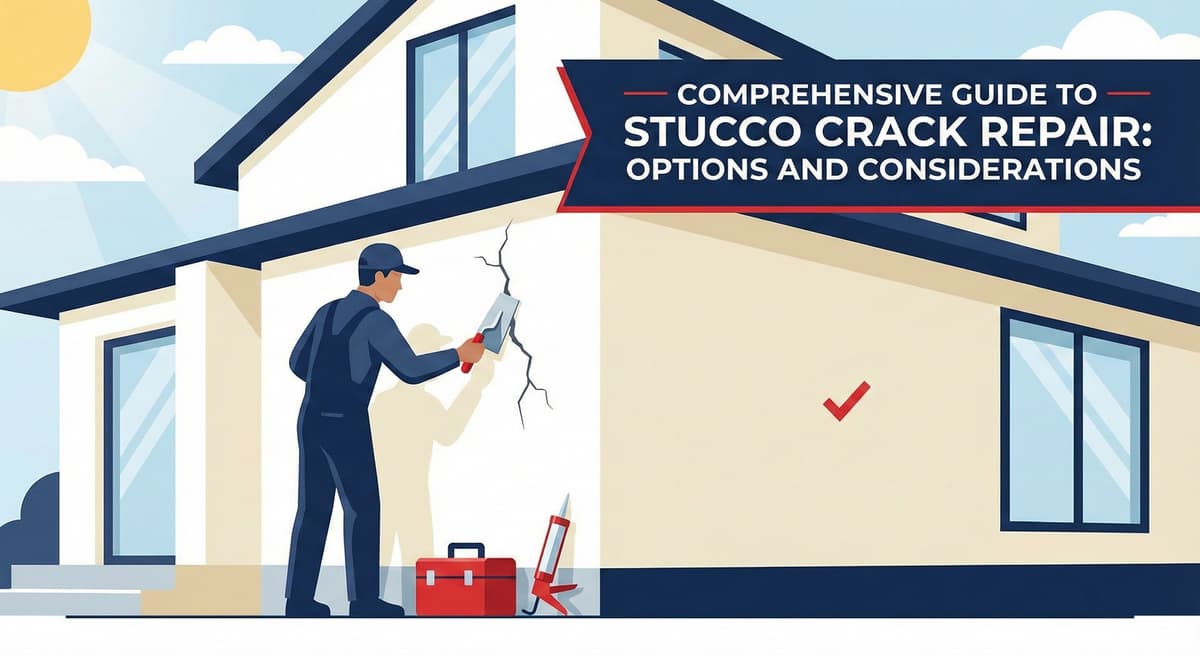
Comprehensive Guide to Stucco Crack Repair: Structural vs. Cosmetic Protocols
In Southern California, cladding systems are subjected to constant stress from seismic micro-tremors, foundation settling, and extreme thermal expansion driven by the Santa Ana winds. Consequently, cracking is inevitable.
However, not all fissures are equal. Treating a structural separation with a thin bead of caulking is a guaranteed failure. This technical guide breaks down how to diagnose the severity of the damage and execute the correct repair protocol to re-establish the waterproofing envelope.
Free Assessment
Noticing Stucco Damage?
Get a free on-site assessment from a licensed contractor. $0 deposit, no obligation.
GET FREE ASSESSMENT1. Diagnosing the Failure: What is the Crack Telling You?
Before selecting a repair material, the root cause of the movement must be identified.
- Hairline / Spiderwebbing: Thin, multi-directional surface cracking (under 1/16" wide). This is typically caused by rapid evaporation during the initial curing phase (shrinkage cracking) or minor thermal expansion. This is generally a Cosmetic issue.
- Stair-Step Cracks: Diagonal, jagged cracks typically emanating from the corners of windows or doors. These indicate shear movement in the wood framing or a failure to install diagonal "butterfly" lath reinforcement during construction. This is a Structural issue.
- Horizontal Cracks: A long, straight horizontal line often indicates floor-line compression (the lumber shrinking between floors) or improper wire lath overlapping (the lath sheets were not wire-tied together). This is a Structural issue.
2. Option 1: The Cosmetic Seal (For Hairline Cracks)
For non-structural, non-moving hairline cracks, surgical demolition is unnecessary and will only create larger scars. The objective is to bridge the micro-gap elastically.
The Material: Sanded Elastomeric Acrylic
Do not utilize 100% Silicone (it cannot be painted). Utilize a textured elastomeric acrylic sealant (e.g., Mor-Flexx). These products contain silica aggregate that mimics the texture of the plaster. They bridge the gap and stretch with thermal movement, rendering the repair invisible once painted.
3. Option 2: The Surgical "Cut-Out" (For Structural Cracks)
If a crack is wider than a credit card (1/8") or if the edges are physically offset (indicating severe shear), cosmetic caulking will fail immediately upon the next thermal shift. A structural intervention is required.
The Cut-Out Protocol:
- V-Grooving: Utilize a grinder equipped with a masonry diamond blade to widen the length of the crack into a deep "V" shape. This removes fractured cement and drastically increases the surface area for the new mortar to chemically bond to.
- Tensile Reinforcement: This is the critical step. We embed a layer of alkali-resistant Fiberglass Mesh Tape directly over the V-groove into the wet base coat. This acts identically to stitches on a wound, distributing the tensile stress so the crack does not simply telegraph back through the repair.
- Polymer-Modified Mortar: We fill the void with an acrylic-fortified stucco patch. The added polymers provide significantly higher flexural strength and adhesion than standard Portland cement.
If you observe brown or orange stains bleeding from the fissure, this is "Rust Jacking." The galvanized wire lath inside the wall has been compromised by bulk water and is actively oxidizing (expanding). Do not patch over this. You must aggressively cut out the surrounding stucco until clean, un-rusted metal is found. If the rust is not removed, it will continue to expand and blow the new patch off the wall.
4. The Color Blending Challenge
The most difficult aspect of a structural repair is hiding the work. New cement cures darker and sharper than weathered, oxidized stucco.
If a wall requires multiple structural cut-outs, spot-painting will look terrible. We highly recommend a full-wall Fog Coat (a breathable cement stain) or a high-build 100% Acrylic paint application to unify the elevation and provide a monolithic seal.
Conclusion
A proper repair is dictated by the severity of the movement. If the crack is hairline, seal it dynamically. If it is structural, execute a full cut-out and reinforce the substrate with fiberglass mesh. Executing the correct technical protocol today prevents catastrophic water intrusion tomorrow.
A note on fog coat: Stucco Champions does not fog coat older or previously repaired walls. On aged stucco a fog coat telegraphs existing cracks, patch lines, and prior repairs, and it bonds poorly to a rough, chalky, or previously coated surface, so it can dust off or peel. Those walls get a fresh finish coat (re-stucco) instead.
Frequently Asked Questions About Stucco
How much does stucco repair cost in Orange County and Los Angeles?+
Small stucco patches start at $650, larger repairs start at $1,200, and re-stucco of a single elevation up to about 400 sq ft runs about $1,400 - $5,900+. The exact cost depends on the damage type (hairline cracks, water damage, delamination, weep screed failure), the square footage involved, and whether the original three-coat or one-coat stucco system needs to be matched. Stucco Champions provides fixed-price written estimates after a free on-site assessment — no hourly billing, no surprise change orders. See our stucco repair cost guide for detailed pricing by repair type.
How long does stucco last in Southern California?+
Properly installed three-coat stucco lasts 50-80+ years in Southern California's climate. The most common failure points aren't the stucco itself — they're the supporting components: corroded weep screed, deteriorated building paper behind the stucco, and improperly sealed window flashing. Most "stucco failures" are actually moisture-intrusion failures that start at one of these points. Annual visual inspection catches problems before they spread, which is why we offer free weep screed assessments for homeowners in our service area.
Can I repair stucco myself, or do I need a contractor?+
Hairline cracks under 1/8 inch wide can be sealed with elastomeric caulk by a homeowner. Anything larger — pattern cracks, delamination (where stucco pulls away from the wall), water-damaged areas, or chimney/window leak repairs — requires a licensed contractor. Improper DIY repair on these is the #1 cause of repeat failures because the underlying cause (usually moisture) isn't addressed. California's CSLB requires a license for any stucco work over $500. Looking for a highly-rated stucco contractor in Southern California? We are a CSLB-licensed and insured team ready to help.
How do I know if I need stucco repair vs. full re-stucco?+
If less than 30% of an elevation has visible damage, repair is the right call. If you see large areas of cracking, multiple zones of delamination, or the underlying paper and lath have rotted across an entire wall, full re-stucco of that elevation is more cost-effective long-term. Our free assessment includes a moisture survey and lath inspection so you get a defensible recommendation either way — not just a quote pushing whichever option costs more.
Do you offer warranties on stucco work?+
Approved stucco repair work includes a 1-year written workmanship warranty. The applicable terms are documented with the approved scope. Stucco Champions is CSLB licensed and insured; verify license #1122006 through the official state lookup. Request a free estimate to review the scope and warranty terms before you sign.
How long does a stucco repair take?+
Most patch repairs are completed in 1-2 days, including a 24-hour cure time before texture matching and color application. Full re-stucco of a single elevation runs 5-7 working days because each coat (scratch, brown, finish) needs to cure properly before the next is applied. We schedule around weather — California stucco needs daytime temperatures above 50°F with no rain forecast for at least 24 hours after each coat. Our crew shows up on time, every time.
Stucco Diagnostics & Calculators
Diagnose specific wall damage symptoms or estimate job scope with our free guides and calculators.
Related Professional Services
A licensed assessment identifies the cause before the finish is opened or replaced.