
Weep Screed Repair — Los Angeles & Orange County
Weep Screed Repair for Stucco Walls.
Weep screed and base-wall repair scoped around the actual drainage, clearance, paper, lath, and substrate conditions. Written fixed pricing and $0 upfront deposit.
Weep Screed Flashing Explained
It's Drainage Flashing, Not Just Trim.
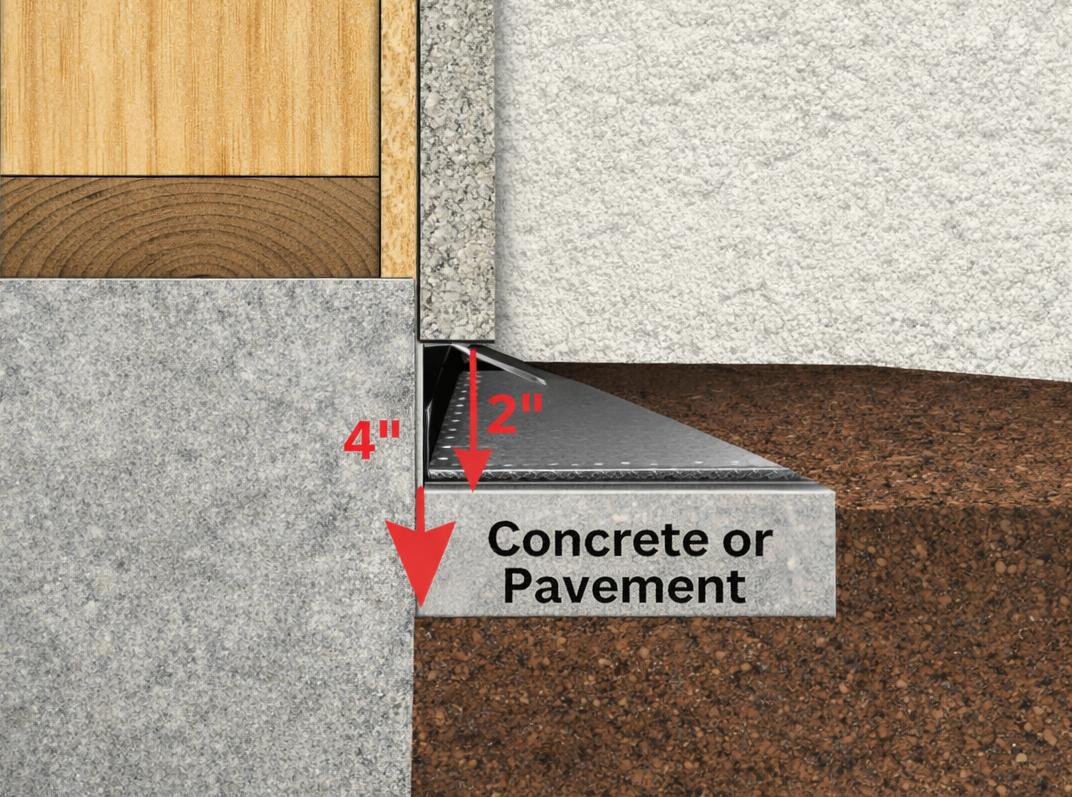
The weep screed is the drainage flashing at the bottom of a stucco wall. Some people call it drip screed, stucco screed, or weep screed for stucco, but the job is the same: stop the stucco at the correct height and give trapped moisture a path back out.
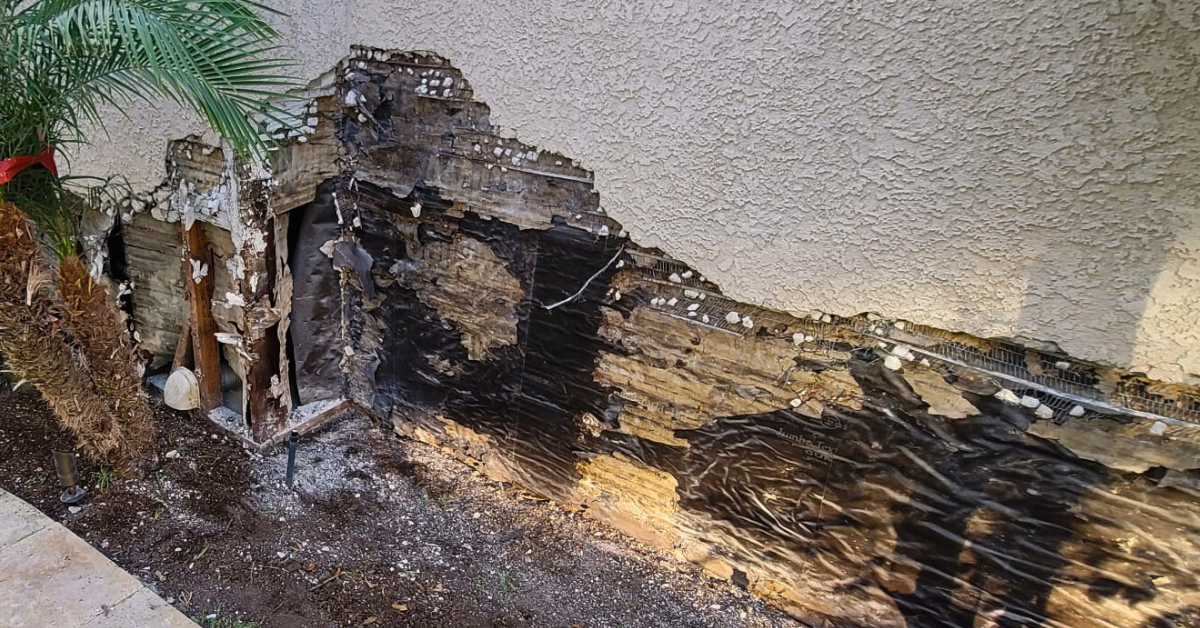
When that flashing is buried, painted shut, rusted, or missing, water can sit inside the lower wall instead of draining out. That is why we check the screed, the paper, the lath, and the base of the wall before recommending a repair.
Weep screed is required on every stucco installation by California Residential Code R703.6.2.1 and IRC R703.7.5 — minimum 4" clearance above earth, 2" above paved surfaces.
Testimonial
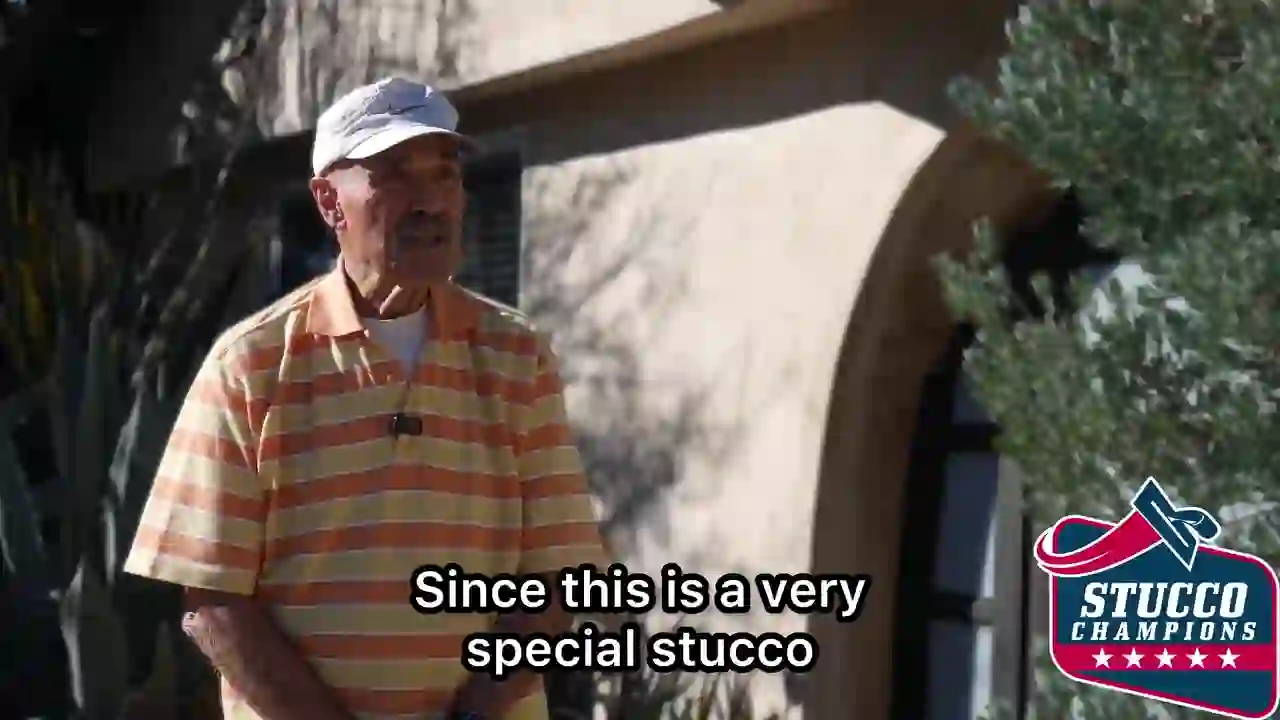
Hear It from a Real Client.
Warning Signs
5 Signs Your Weep Screed Needs Attention.
These are the conditions that usually lead homeowners to search for weep screed repair, weep screed installation, or weep screed flashing.
White chalky stains at the base
Efflorescence — mineral deposits left behind when water is chronically trapped inside the wall and seeps out through the stucco. By the time you see it, the framing behind is already wet.
Stucco is soft, bulging, or cracked near the ground
The bottom 12 inches of a stucco wall bears the brunt of sprinkler splash-back, soil contact, and groundwater. Bulging or spongy stucco means the wire lath has rusted and the substrate is compromised.
The weep screed is buried by soil, mulch, or hardscape
Code requires 4" clearance above earth and 2" above paving. If landscaping or concrete covers the stucco screed, the drainage path is restricted and the base of the wall needs to be checked.
Visible rust or a gap where the screed should be
Original galvanized weep screeds eventually corrode through after decades of exposure. On older homes (pre-1960s or cheap builds), a proper weep screed was never installed in the first place.
Termites, carpenter ants, or rotted baseboards inside
Persistent moisture at the base of an exterior wall creates the exact conditions that attract wood-destroying pests. If you're seeing pest damage or soft flooring near an exterior wall, the weep screed is the first place to look.
What's Actually at Stake
A Failed Weep Screed Usually Shows Up Slowly.
When the drainage flashing at the bottom of the wall stops working, water often moves quietly into the sill plate, sheathing, and lower framing. The outside may show only staining, soft stucco, or a buried screed, even when the wall needs a closer look.
That is why the assessment matters. We separate the base weep screed replacement from any additional substrate or framing repair, so you can see what is included, what is optional, and what is required before work begins.
How We Do It
Six Steps to a Code-Compliant Weep Screed Repair.
Base-Wall Inspection
We check clearances, corrosion, soil contact, hardscape height, and visible damage along the base of the stucco wall. Where the weep screed is buried, we probe carefully so the quote is based on the real condition.
Controlled Cut-Back
We cut away the affected lower stucco in a clean horizontal line. This exposes the old screed, wire lath, paper, and base of the wall without disturbing more of the finish than the repair requires.
Substrate Check
Once the old screed is out, we inspect the sill plate, sheathing, and any exposed framing and show you exactly what we're looking at. Building paper repair is included if that's part of your quoted scope. If the framing needs repair, we quote that separately before any work starts — no surprise change orders on the final invoice.
Code-Compliant Weep Screed Installation
We install new galvanized or vinyl weep screed flashing, tie it into the building paper, and restore the required clearance: 4" above soil or 2" above paving. This is the detail that allows water behind the stucco to drain out.
Stucco Base Rebuild
We install new wire lath where needed, rebuild the cut-back zone, and finish the lower wall with realistic texture matching against the surrounding stucco.
Drainage & Clearance Check
Before we leave, we verify clearances, confirm the weep holes are open, and walk you through what to watch for going forward. If landscaping needs to be pulled back, we tell you exactly how much and where.
Project Gallery
Real stucco work by our licensed crew in Orange County & LA. Swipe to view more — tap any photo to enlarge.
Customer-Reported Outcome
From Garage Leak to a Defined Wall Repair
A public Google reviewer described rainwater entering the garage and reported no further leaks after the completed repair.
View our Google reviewsSymptom
Rainwater entering a garage after a storm.
Reported Finding & Scope
A damaged lower-wall weep screed, followed by weep-screed replacement and surrounding stucco repair.
Next Decision
Start with the actual wall condition and receive the recommended work in writing.
Choose a walkthrough timeCustomer-reported outcome; every property and moisture path is different.
Real Reviews
What Our Weep Screed Repair Clients Say
Google 5.0★ · 54 Google reviews · Read them on Google · Yelp
Showing 6 of 54 selected customer reviews for this page.
“Stucco Champions are exactly that... Champions! We are extremely happy with the repair they did for us! The price was reasonable, their communication was top notch and my stucco looks fantastic! They are very professional, did the job very quickly and cleaned up very well!”
“I had the pleasure of working with Stucco Champions for a stucco repair job on my home. I was thrilled with how the work came out. Not only was the work precise, but it was within budget and it went as planned. I highly recommend Stucco Champions for their quality, timeliness, responsiveness & professionalism!”
“Such professionals. They were on time every day, explained the whole process to us and their foreman were on site daily to check on work, update progress, etc. They even fixed some additional areas at no cost. Highly recommend Stucco Champions and their team.”
“Stucco Champions did an amazing job! Their work was completed on time with excellent quality and attention to detail. The team was professional, clean and reliable. Highly recommend them for any stucco work!”
“We got in contact with the Stucco Champions company after it rained we had water get into our garage and had no idea why. They found the problem right away. The weep screed at the bottom of our exterior stucco wall was damaged and needed replacing. They did the full weep screed installation and fixed the stucco damage around it. The texture blending was great and the finish matches perfectly. No more leaks since the repair.”
“We had some bad cracking on our exterior walls. The stucco contractor came out, assessed the stucco damage, and handled the stucco crack repair quickly. The texture blending was great and you honestly can't tell where the stucco patching was done. Really impressed with the quality of the stucco wall repair.”
Common Questions
Weep Screed Repair FAQs
What is a weep screed and why does it matter?+
A weep screed is the metal or vinyl flashing installed at the base of a stucco wall. It creates a clean stopping point for the stucco and gives water behind the wall a path to drain out. When the weep screed is buried, rusted, or missing, moisture can stay trapped against the sill plate and framing.
Is a weep screed required by building code?+
Yes. California Residential Code R703.6.2.1 and IRC R703.7.5 require weep screed on stucco walls, with minimum 4" clearance above earth and 2" above paved surfaces. If the stucco weep screed is missing, corroded, or buried by landscaping, the base of the wall needs to be inspected.
Can I just dig the landscaping away from the base of my wall?+
Sometimes — but only if the screed itself is still intact. Pulling back the soil restores the clearance and the drainage path, which stops future damage. But if the screed has already rusted through from years of being buried, pulling the dirt back won't fix the damage that's already happened inside the wall. The only way to know for sure is a proper inspection.
How do I know if the framing behind my weep screed is damaged?+
Classic tells: soft or bouncy flooring along an exterior wall, baseboard discoloration or warping, chronic pest issues near the base of an exterior wall, efflorescence (white chalky stains) on the lower stucco, or visible bulging at the bottom of the wall. We confirm with a non-destructive moisture scanner and by physically opening up a small test area — it's a 20-minute job during the free assessment and it tells us exactly what we're dealing with.
How much does weep screed repair cost?+
Weep screed repair is usually priced by the linear foot of affected wall, plus any substrate repair needed behind the screed. Our base quotes are straightforward: the affected run, the new weep screed flashing, and the stucco rebuild are shown clearly. Scaffolding, framing repair, and other specialized requirements are listed separately when needed.
Will the new stucco section blend with the rest of my wall?+
We use clean cut lines and realistic texture matching so the repaired base reads professionally against the existing wall. If the surrounding stucco is heavily weathered or discolored, we explain the finish options before work begins, including whether painting the full wall plane makes sense.
How long does a weep screed repair take?+
A clean 20-foot run with no substrate damage can be done in 2–3 working days from cut-back to final finish. Longer runs, rotted framing, or repairs that require coordinating with a pest inspection or a plumber can stretch to a week or more. We give you a realistic timeline before the work starts, not after.
Book Your Free On-Site Inspection
We'll check every linear foot of the base of your walls, probe for substrate damage, and give you a straightforward written base quote. Scaffolding and additional substrate repairs are listed separately when required. Zero Deposit.
Loading booking form...
Need Weep Screed Repair or Replacement?
Book a free on-site inspection. We'll check the base of your stucco walls, explain the repair path, and give you a clear written quote before anything is scheduled. Zero Deposit.
More Areas We Serve
In addition to our primary service hubs, we proudly provide stucco and weep screed services to the following communities across Southern California.