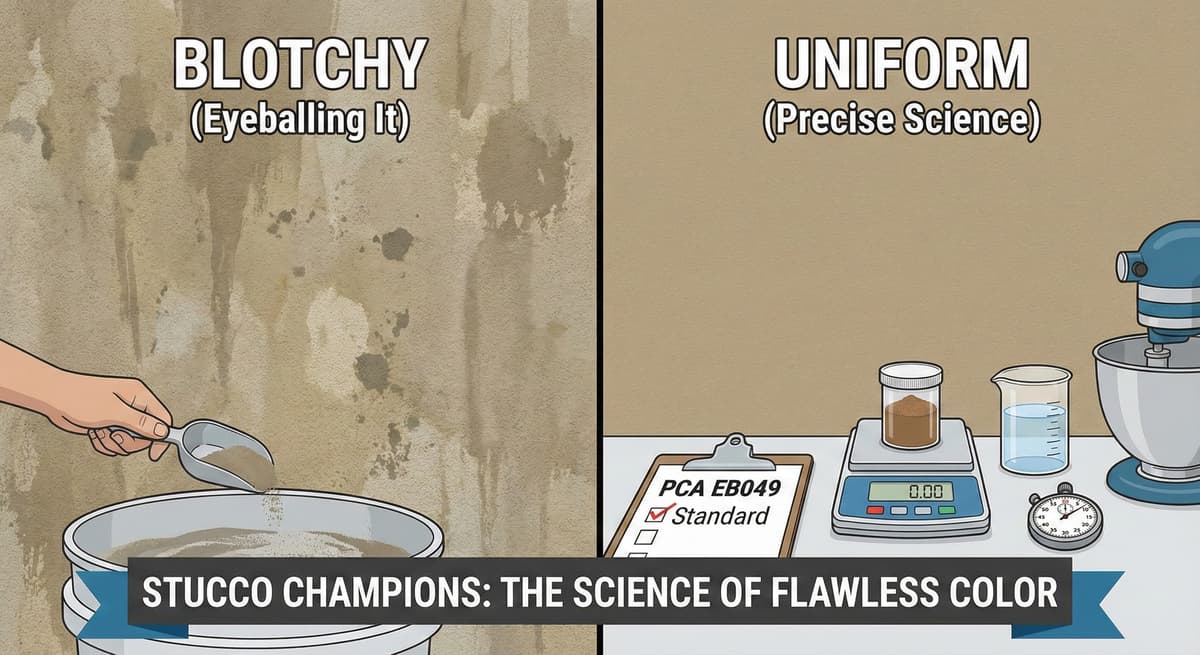
The Natural Color Palette of Stucco: Insights from an Expert
By Stucco Champions··3 min read
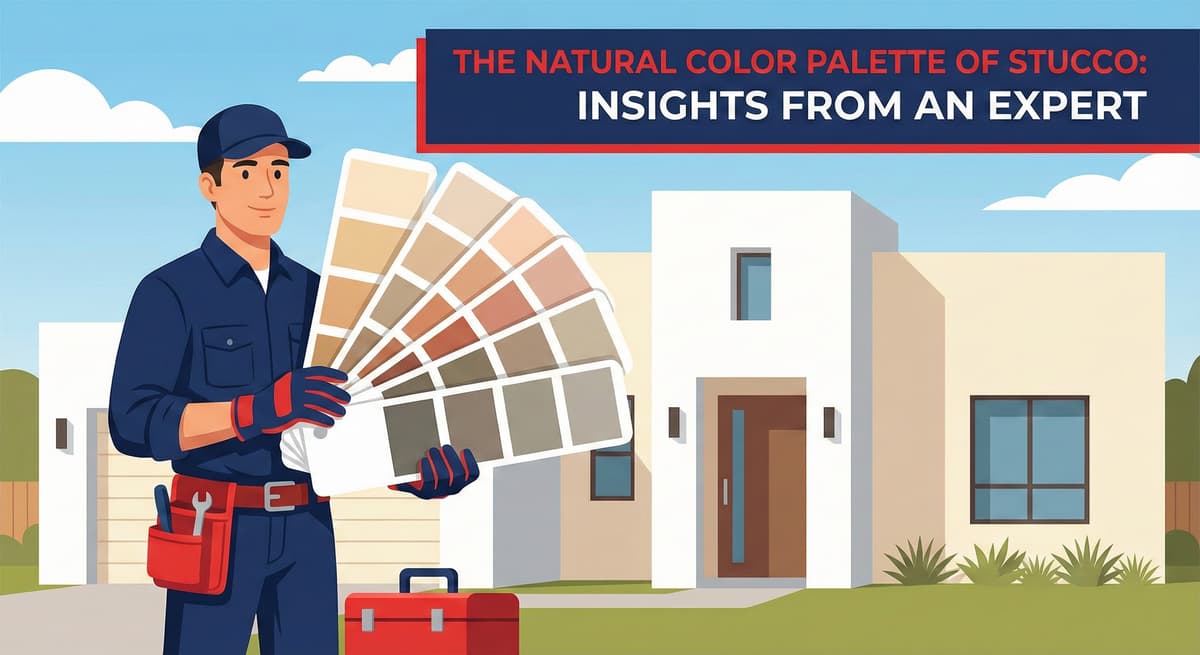
Understanding the Natural Color Palette of Stucco: Insights from an Expert
The Essence of Stucco Colors
Stucco's popularity as a construction material stems from its durability and versatile color options. Understanding these colors begins with an appreciation of stucco's composition. The base color of stucco, intriguing to both homeowners and professionals, plays a critical role in the final aesthetic of a building.Stucco Base Coats
The base coat of stucco typically presents a gray coloration, primarily due to the natural color of Portland cement. This neutral gray acts as a versatile foundation, suitable for various color applications, whether leaning towards gray or white. The incorporation of additives like acrylic or synthetic materials can slightly lighten the base coat, but the inherent gray undertone remains predominant.Traditional Finish Coat Colors
In traditional cement-based stucco finishes, the foundational colors are generally gray or white. The selection between these bases is crucial and depends on the desired final color:- Lighter Shades: A white base is often used to enhance the brightness and purity of lighter colors.
- Darker Shades: A gray base is preferred for deeper and richer color tones.
Acrylic/Synthetic Finishes
Acrylic or synthetic stucco finishes are somewhat different. These types of finishes always start with a white base, similar to paint. The final color is achieved by adding small quantities of pigment to this base. The process resembles paint mixing, with additional aggregate for texture.Choosing Colors for Stucco Finishes
When selecting colors for stucco finishes, several factors should be considered:- Base Coat: Choose between a traditional gray or a lighter alternative based on the final color and texture desired.
- Finish Coat: For traditional finishes, align the base color with the tone of the final color. For acrylic/synthetic finishes, begin with a white base.
Special Considerations
Occasionally, acrylic finishes may require a "tint base" for darker, more vibrant colors. Also, some rapid-set materials like Eisenwall, used in base coats, can exhibit a whitish-gray or tan hue, slightly altering the final color.Industry Standards and Practices
According to industry standards, the correct selection and application of base colors are vital for the aesthetic appeal and longevity of stucco finishes. Manufacturers like Omega offer guidelines to ensure appealing and durable color choices.Reader Value and Application Tips
For those planning a stucco project, understanding the natural color palette is essential. Here are some practical tips:- Consult Manufacturer Charts: Use these as a reference for selecting the appropriate base for your desired finish.
- Consider the Environment: The surrounding colors and lighting can affect how the stucco color appears once applied.
- Sample Tests: Apply a small sample in a discreet area to observe how it looks in different lighting conditions.
Conclusion
In summary, the natural color of stucco in its base form is predominantly gray, a result of the color of Portland cement. The final color of stucco, whether traditional or acrylic, is determined by the chosen pigments and bases. By understanding these basics and considering environmental factors, you can choose a stucco color that enhances the aesthetic and value of your property. Last week, we shared What Is Stucco? The Ultimate 2024 Guide breaking down its history, composition, and versatile uses for both residential and commercial projects. If you’re curious about this timeless building material, don’t miss this in-depth resource!—
Ready to Work With a Trusted Stucco Contractor in Los Angeles? Contact Stucco Champions today for a free consultation! Visit us at Stucco Champions for valuable resources and to learn more about our expert stucco repair service.
Color Palette of StuccoNatural Color Palette