Can I Repaint Stucco? Tips for a Long-Lasting Repaint
Written by Stucco Champions — Southern California’s Authority on Exterior Plastering.
Can I Repaint My Stucco? An Expert Guide to Recoating
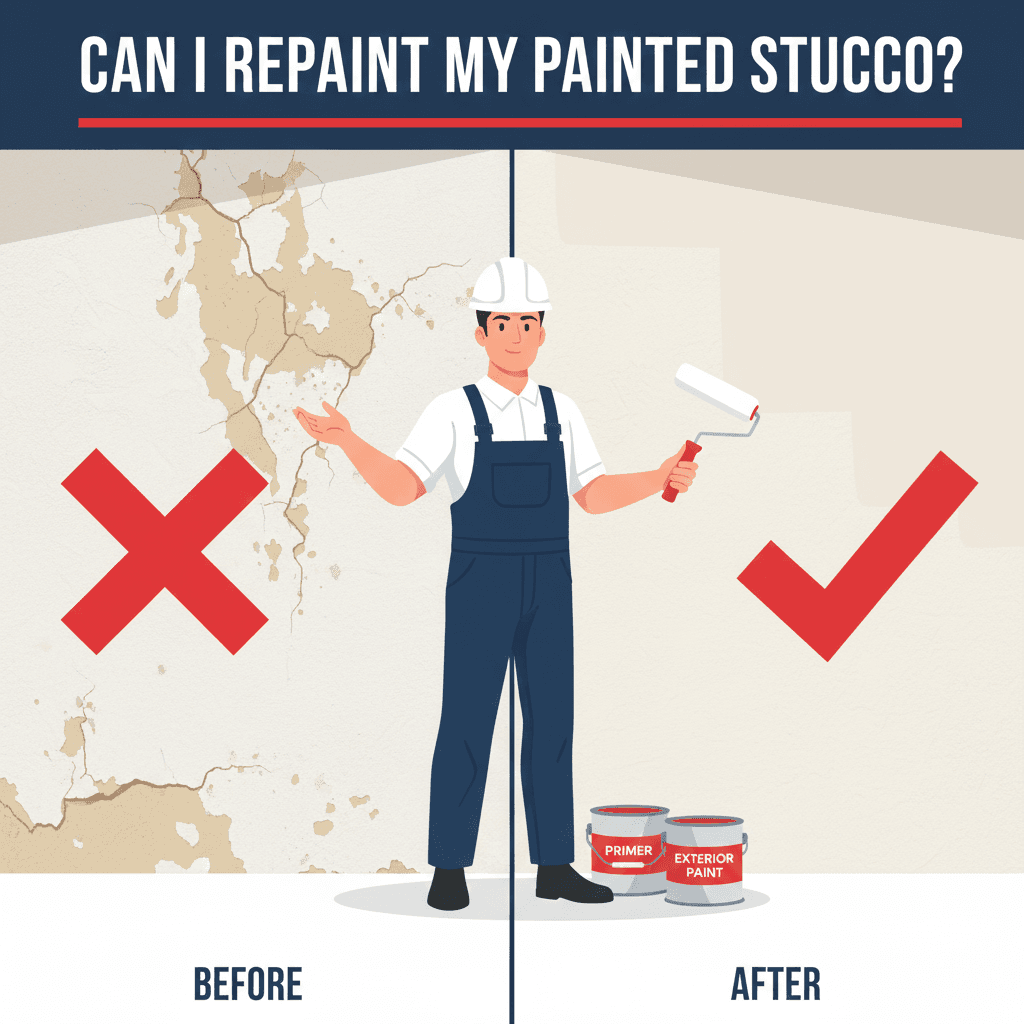
The short answer is: Yes. You can absolutely paint over stucco that has been previously painted. In fact, if the existing paint is sound, it creates a sealed substrate that can make the new application smoother than painting raw cement.
However, painting over old paint is not without risk. In Southern California, years of UV exposure can cause old paint to oxidize ("chalk"). If you roll new paint over a chalky or peeling wall without the correct preparation, the new coat will fail within a year. This guide explains the technical protocol for a successful recoat.
1. The Pre-Paint Diagnostic
Before buying a single gallon, assess the current condition of your walls.
- The Chalk Test: Rub your palm firmly on the wall. If you see a white, dusty residue on your hand, the old paint is oxidizing. New paint will not bond to this dust. You must pressure wash and potentially use a bonding primer.
- The Adhesion Test: If the old paint is flaking or peeling, it must be scraped or blasted off. You cannot paint over loose material.
Free Assessment
Noticing Stucco Damage?
Get a free on-site assessment from a licensed contractor. $0 deposit, no obligation.
GET FREE ASSESSMENT2. Preparation: The 90% Rule
A paint job is only as good as the surface it sits on. Professional painters spend 90% of their time prepping and 10% painting.
Pressure Washing (Soft Wash)
Stucco texture traps dirt and mildew. Use a pressure washer (1,500 – 2,000 PSI) with a wide fan tip to lift dirt. Warning: Do not use high-pressure "zero tips" as they can gouge the stucco texture and force water behind the paper.
Crack Repair
Paint does not fill cracks; it highlights them.
Hairline Cracks: Use a brush-grade elastomeric patch. It stays flexible and bridges the gap.
Structural Cracks: Do not use silicone. Use a textured acrylic stucco patch that mimics the aggregate of the wall.
Spot Priming
If you performed repairs with new cement, those spots have a high pH (alkalinity). You must spot-prime them with a masonry primer to prevent "alkalinity burn," which causes the new paint to peel or discolor.
3. Choosing the Right Coating
You must choose a product compatible with the existing layer.
Material Selection
100% Acrylic Latex: The standard for repainting. It is breathable (permeable), allowing moisture vapor to escape the wall, which prevents rot.
Elastomeric: A thick, rubberized coating. Use this only if the home was previously coated with elastomeric or has significant hairline cracking. Note: Elastomeric is less breathable and requires specific application thickness to work.
4. Cost and Maintenance Factors
Understanding the variables helps you budget for a lasting finish.
| Factor | Details | Impact on Cost |
|---|---|---|
| Square Footage | Larger surface area increases material and labor. | Primary cost driver. |
| Surface Prep | Removing chalking, peeling paint, or mold. | High. Skipping this leads to failure. |
| Texture Depth | Heavy textures (Lace/Dash) absorb 30-50% more paint than smooth walls. | Increases gallon count significantly. |
| Paint Type | Standard Acrylic vs. High-Build Elastomeric. | Elastomeric costs 30-50% more per gallon. |
| Lifespan | Cheap paint lasts 3-5 years. Quality acrylics last 10-15 years. | Invest now to save later. |
5. Pro Tips for Homeowners
- Don't Paint the Weep Screed: The metal flashing at the bottom of your wall has holes to let water out. Never paint these shut. It causes water to back up into the wall cavity.
- Sheen Selection: Always use Flat sheen on stucco. Satin or Eggshell reflects light, highlighting every wave and imperfection in the wall texture.
- Spray and Back-Roll: If spraying, always have a second person "back-roll" with a thick nap roller. This pushes the paint into the pinholes of the stucco for a watertight seal.
Conclusion: Refresh and Protect
Repainting is the most cost-effective way to extend the life of your stucco exterior. By respecting the chemistry of the wall—cleaning the chalk, priming the patches, and using breathable acrylics—you ensure your home remains beautiful and weather-resistant for the next decade.
Related Resources
Last week, we shared What Caulking Should I Use for Stucco? Before you paint, ensure your cracks are sealed with the right material (not silicone!).