Introduction to One Coat Stucco Base Coats

Written by Stucco Champions — Southern California’s Authority on Exterior Plastering.
Introduction to One Coat Stucco Base Coats: Concentrate vs. Sanded
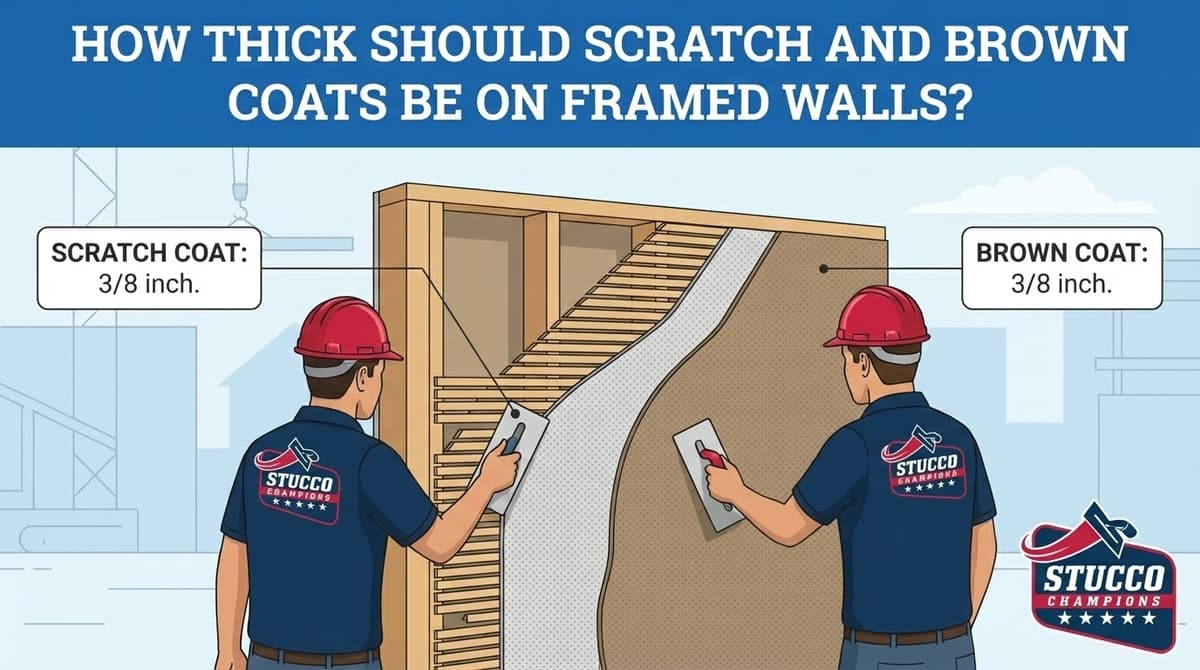
In the world of modern plastering, "One Coat Stucco" refers to a fiber-reinforced cement product that can be applied in a single, thick layer (3/8" to 1/2") rather than the traditional two-step Scratch and Brown process. This material is the workhorse of residential construction in California due to its speed and strength.
However, not all bags are the same. You will encounter two main types at the supply yard: "Sanded" (Premix) and "Concentrate." Knowing the difference can save you 50% on material costs or ruin your mixer if you get it wrong. This guide breaks down the chemistry and the math.
1. The "Sanded" Mix (Just Add Water)
This is the convenient option, typically sold in 80lb bags. The factory has already blended the Portland cement, fibers, polymers, and sand.
Pros: Foolproof. You don't need to measure sand. Consistent quality. Great for small patches.
Cons: Expensive. You are paying shipping for sand (which is cheap).
Coverage: Approx 20-25 sq. ft. per bag @ 3/8" thick.
Free Assessment
Noticing Stucco Damage?
Get a free on-site assessment from a licensed contractor. $0 deposit, no obligation.
GET FREE ASSESSMENT2. The "Concentrate" Mix (Add Your Own Sand)
This is the professional standard. An 80-90lb bag contains only the cement, fibers, and proprietary chemicals. You must add 200-240 lbs of plaster sand on-site.
Pros: Massive coverage. One bag + sand yields about 3x the material of a sanded bag. Much cheaper per square foot.
Cons: Requires a large paddle mixer and a pile of bulk sand. High labor.
Coverage: Approx 75-90 sq. ft. per bag (after adding sand) @ 3/8" thick.
3. Mixing Protocols: The Recipe
If you use Concentrate, you become the chemist. Following the manufacturer's ratio is critical.
Standard Formula (Omega Diamond Wall)
- Water: 4-6 Gallons (Start with 4).
- Sand: 200 lbs (approx 20-25 shovels depending on moisture content). [Image of sand grain size comparison]
- Concentrate: 1 Bag (80 lbs).
- Mix Time: 3-5 minutes to activate the polymers.
⚠️ The Fiber Warning
These mixes contain chopped fiberglass strands. When mixing, do not over-water. If the mix is "soupy," the heavy sand will sink to the bottom and the lightweight fibers will float to the top, ruining the structural integrity of the wall. Aim for a "stiff peanut butter" consistency.
4. Which Brand?
While chemistry is similar, brands vary in workability:
- Omega Diamond Wall: Known for being "creamy" and easy to trowel. Excellent for smooth finishes.
- Western 1-Kote: Very strong, slightly grittier. Good for heavy textures.
- Quikrete / Sakrete: Available at Home Depot. Usually only sold as "Sanded" mix. Good for DIY, expensive