Can I Stucco My Foundation? – An In-Depth Guide
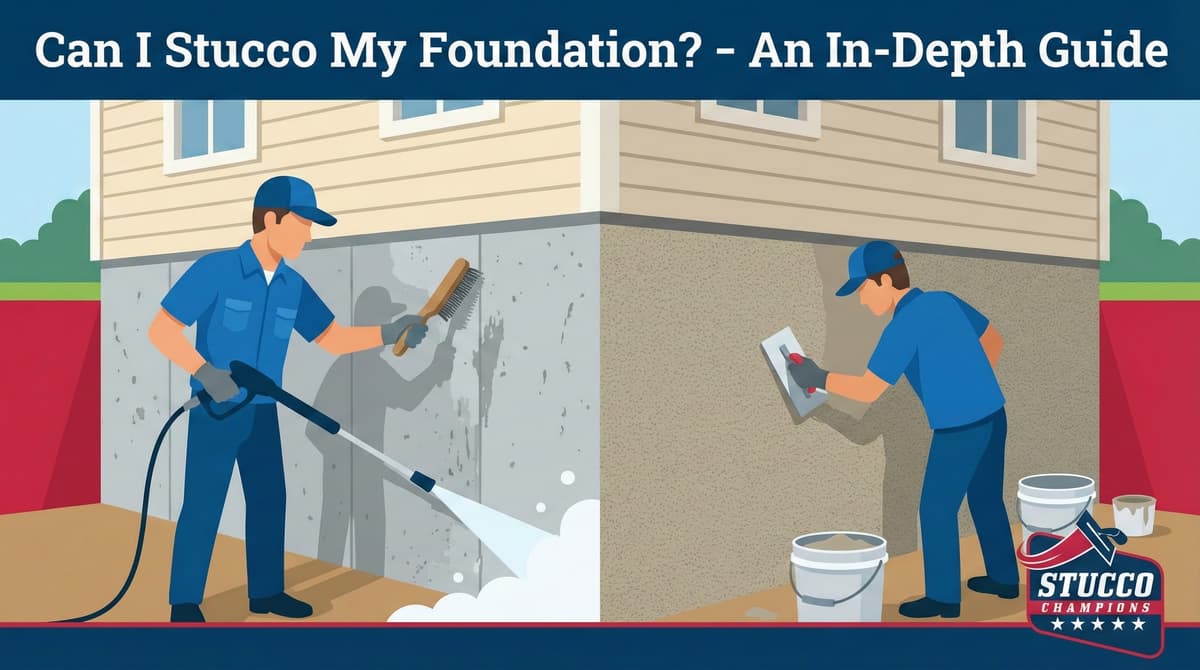
Stucco, a popular choice for walls and soffits, raises a frequent question: can it be applied to foundations? The answer, in short, is yes. Stucco can be effectively applied to foundations if proper preparation and application techniques are followed. This versatile material can be used on various substrates including concrete, cinder blocks, bricks, and wood.
Expertise and Qualifications
As an experienced professional in stucco applications and foundation repair, I have extensive knowledge of various materials and finishes. My expertise is grounded in hands-on experience and a thorough understanding of stucco's properties and application methods.
The Purpose of Stucco on Foundations
There are two primary reasons for stuccoing foundations: aesthetics and repair. To enhance the appearance or align with specific design elements, adding stucco can be a straightforward process. However, for repairing issues like cracks and leaks, stucco serves as a cost-effective solution. After addressing the underlying structural issues, a stucco coating can significantly enhance the foundation's resistance to further damage.
Material Suitability and Application
Stucco adheres well to various foundation materials, with concrete and cinder blocks being ideal due to their strength and compatibility. Foam and cement board can also be stuccoed, requiring a base and finish coat for optimal results. Preparing the surface properly is crucial for the success of the stucco application.
Stucco and Home Siding Compatibility
The type of siding on your home does not limit the possibility of stuccoing the foundation. Whether you have stucco siding or other types, like lap or hardie, a complementary or contrasting stucco finish can be chosen to enhance your home’s aesthetics.
Examples of Stucco Finishes on Foundations
- Sand Finish on Foundation Wall in Acrylic Stucco
- Lap Siding with Heavier Lace Texture
- Lighter Lace Texture on Foundation Wall
Choosing the Right Material For foundation applications, both traditional (cement-based) and acrylic finishes are viable. Traditional stucco offers slightly more strength, while acrylic provides flexibility and color options.
Important Considerations and Limitations Before opting for stucco, it's crucial to assess the condition of your foundation. Cracks or structural issues require professional evaluation and potentially significant repairs before considering cosmetic enhancements like stucco. Applying stucco over unresolved structural problems can mask issues, leading to more severe complications in the future.
Transparency and Conflict of Interest I am committed to providing unbiased information. My advice is based solely on professional expertise and is not influenced by affiliations with stucco companies or contractors.
Stucco Application Process
While DIY stucco application may seem feasible, it requires specific skills and knowledge. Here’s a brief overview:
- Surface Preparation: Clean and repair the foundation surface.
- Base Coat Application: Apply a base coat suitable for the foundation material.
- Finish Coat: Choose the right type of stucco finish and apply it evenly.
- Curing and Maintenance: Allow the stucco to cure properly and maintain it periodically.
Consulting a Professional
It's essential to consult a professional before undertaking foundation repairs or stucco applications. A professional can provide a thorough assessment, recommend appropriate solutions, and ensure that the work is done safely and effectively.
Stuccoing a foundation is a viable option for both aesthetic and repair purposes. It's important to understand the material's capabilities, prepare the surface properly, and address any structural issues beforehand. While stucco can enhance the appearance and durability of a foundation, professional advice and intervention are crucial for significant foundation problems. This guide aims to provide a comprehensive understanding of stucco applications on foundations, emphasizing the need for expertise, accuracy, and caution.
Last week, we shared Can You Drill into Stucco? An Expert Guide covering the tools and techniques needed to safely drill into stucco without causing damage. If you're planning a project that involves working with stucco, be sure to check out this essential resource!
—