
Stucco Repair Done Right The First Time. — Expert Stucco Repair in Orange County & Los Angeles
We find the root cause of every crack, fix the structure underneath, and match the texture so the repair disappears. with zero money down.
in OC & LA
That Crack Keeps Coming Back Because Nobody Fixed the Cause.
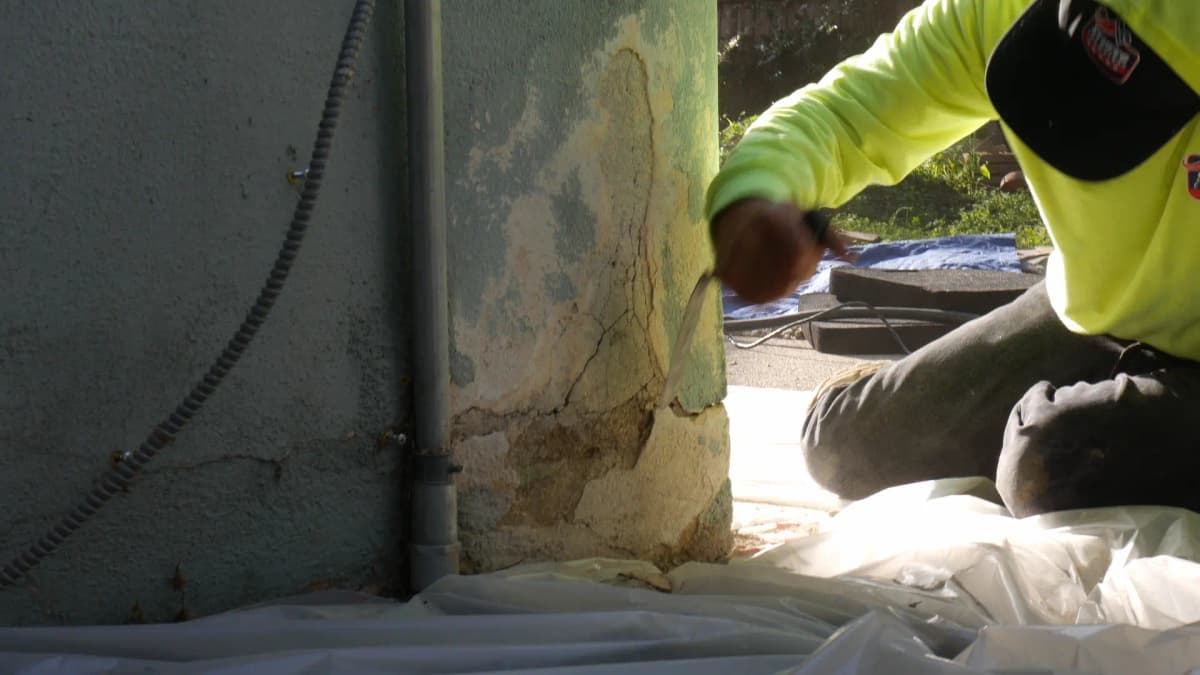
Most contractors slap caulk over a crack and call it a day. The crack returns in months because the real problem. foundation settling, missing weep screed, corroded lath, or trapped moisture. was never addressed.
We perform forensic-level diagnostics on every repair. We find out why the damage happened, fix the underlying structure, then rebuild the stucco with a uniform texture match. The repair becomes invisible and the problem stays gone.
Find Out How Bad It Really Is
Most damage is hidden behind the surface. Get a free assessment before it gets worse.
See What's Wrong — FreeHow Repair Works
3 Steps to a Permanent Fix.
Diagnose the Root Cause
We don't guess. We inspect the crack pattern, test for moisture, check the lath and framing, and identify exactly what caused the damage. free of charge.
Fixed-Price Repair Plan
You get a detailed estimate covering structural repair, stucco rebuild, and texture matching. One fixed price, no hidden fees, zero deposit.
Invisible Repair
We fix the structure, rebuild the stucco layers, and custom-match the texture so the repair blends perfectly. You approve the work before paying a cent.
What Homeowners Say
Repairs That Disappear. Clients Love It
Rated 5.0 by 47 homeowners — View on Google
“I had the pleasure of working with Stucco Champions for a stucco repair job on my home. I was thrilled with how the work came out. Not only was the work flawless, but it was within budget and it went as planned. I highly recommend Stucco Champions for their quality, timeliness, responsiveness & professionalism!”
“We got in contact with the Stucco Champions company after it rained we had water get into our garage and had no idea why. They found the problem right away. The weep screed at the bottom of our exterior stucco wall was damaged and needed replacing. They did the full weep screed installation and fixed the stucco damage around it. The texture blending was great and the finish matches perfectly. No more leaks since the repair.”
“We had some bad cracking on our exterior walls. The stucco contractor came out, assessed the stucco damage, and handled the stucco crack repair quickly. The texture blending was great and you honestly can't tell where the stucco patching was done. Really impressed with the quality of the stucco wall repair.”
“I had cracking and water damage on my stucco that I kept putting off. Called Stucco Champions and they came out quickly for a free estimate. The team was professional, explained exactly what stucco repair work was needed, and gave me a fair quote on the spot. The stucco contractors did excellent work and you honestly cannot tell where the damage was. The color match is perfect. They cleaned up after themselves and the whole experience was hassle free.”
“I couldn't be happier with the results of my recent stucco repairs. The crew were prompt, courteous, and respectful of our property. They did an excellent job and left everything clean and in place when the job was complete. I would definitely call on them again for future projects and recommend them highly.”
“The team at Stucco Champions recently completed work on my property, and I am very satisfied with the results. What stood out to me: the quality of the finish is consistent and matches the style of the house perfectly. They took the time to mask off my windows and doors, and the cleanup after the job was thorough. They kept me updated on the timeline and explained the steps they were taking to ensure proper waterproofing. I would highly recommend them to anyone looking for reliable stucco installation or repair.”
WHY HOMEOWNERS CHOOSE US
What Makes Us Different
$0 Down, Pay When Satisfied
No deposits, no upfront costs. You only pay once you’re 100% happy with the finished result.
In-Depth Stucco Inspection
We thoroughly inspect your stucco before starting any work so we recommend the right fix for your situation.
CSLB Licensed & Insured
Fully licensed and insured. Your property is protected and the work is code-compliant.
Written Warranty Included
Every project comes with a written warranty. If something isn’t right, we come back and fix it — free.
Pay $0 Until the Repair Is Perfect.
Schedule your free stucco repair assessment. no obligation, no deposit.
Or for a quick response:
Text us at (657) 300-5675FAQ
Frequently Asked Questions
Everything you need to know about our stucco repair and re-stucco services in Orange County & Los Angeles
Ready to Get Started?
Get your free, no-obligation estimate today. Remember – zero deposit required!
Book a Free Walkthrough