Comprehensive Guide to Selecting and Purchasing Weep Screed for Stucco Systems
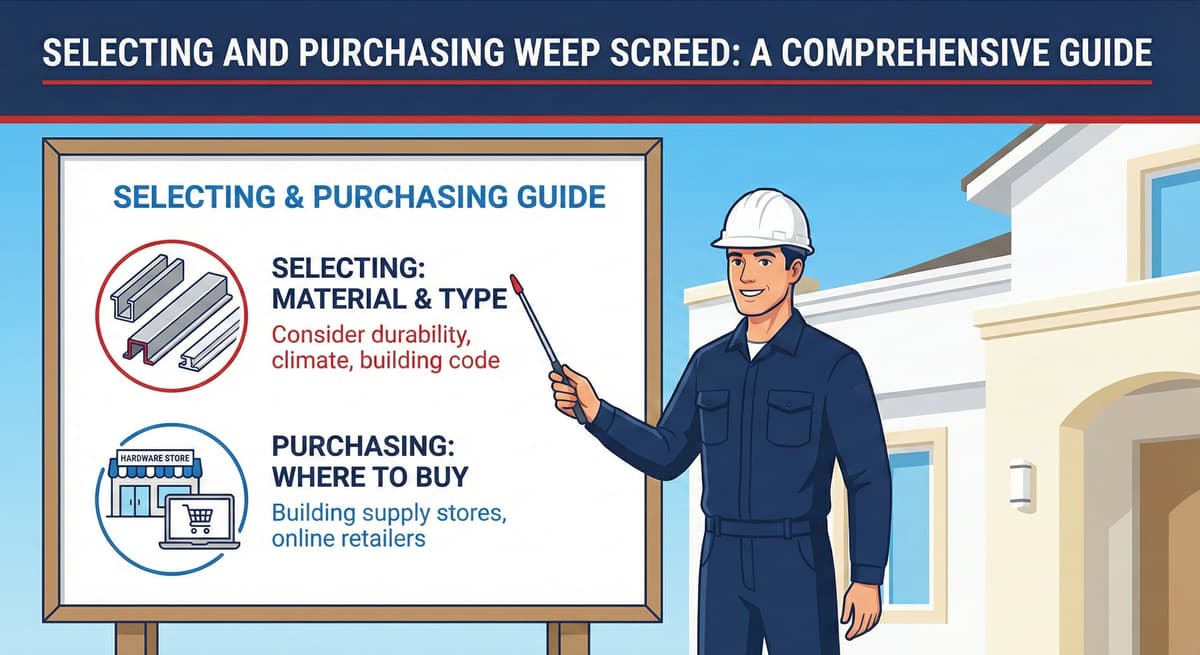
Weep screed, a vital component in stucco systems, can be challenging to source due to its specialized nature. This guide aims to provide detailed insights into purchasing weep screed, focusing on types, applications, sourcing options, and expert recommendations.
Understanding Weep Screed
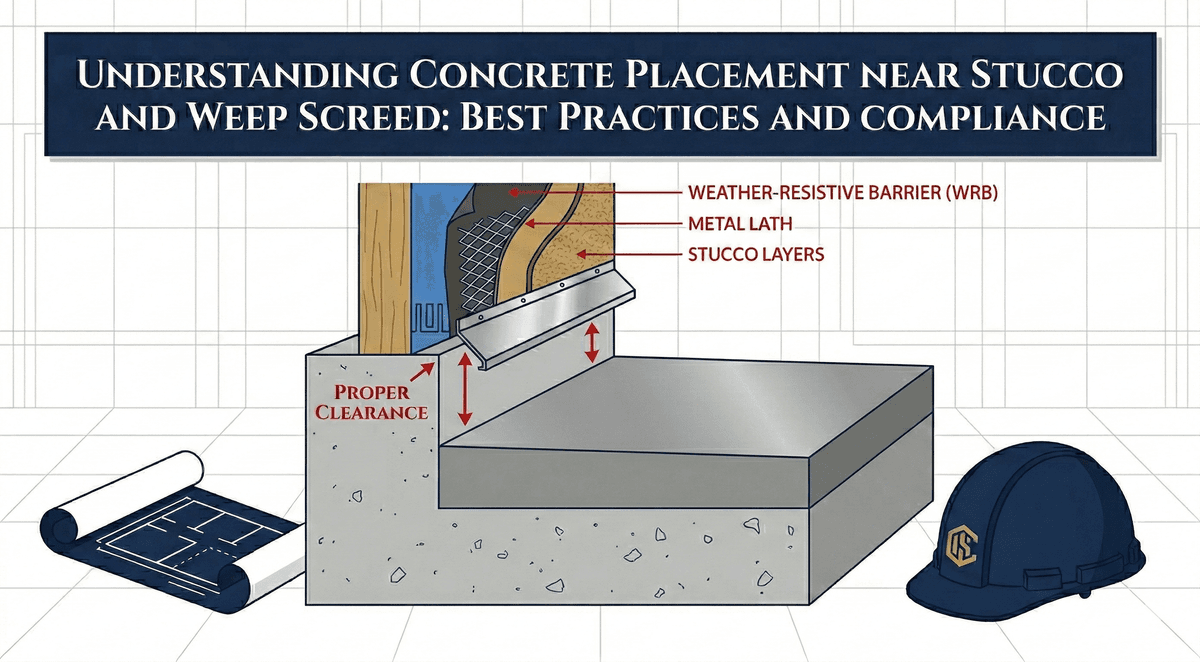
Weep screed, typically installed at the base of stucco walls, facilitates moisture drainage. Its selection depends on factors like system type (one-coat or three-coat) and wall specifications.
- Weep Screed Depth: The depth of weep screed, such as the standard 7/8 inch for three-coat systems, is crucial for compatibility with the stucco system.
- Three-Coat System: A traditional stucco application involving a scratch coat, brown coat, and finish coat, each requiring specific screed types.
- Local Supply Yard: A specialized distributor of stucco and masonry supplies, offering a wide range of products and expert advice.
Sourcing Weep Screed
Weep screed can be purchased from two primary sources: home improvement stores and local stucco supply yards.
Home Improvement Stores
Large chain stores like Home Depot and Lowe’s often carry weep screed, but with limited options. They typically cater to common needs like the #7 type for three-coat systems. However, the drawbacks include:
- Limited Inventory: Often, only basic types are available, leading to potential incompatibility with specific stucco systems.
- Variability: Inventory can vary significantly between locations, even within the same chain.
- Knowledge Limitations: Staff at these stores may not have specialized knowledge in stucco systems, leading to potential misinformation.
Local Stucco Supply Yards
These specialized suppliers are recommended for their extensive inventory and knowledgeable staff. They offer several advantages:
- Wide Range of Options: Supply yards typically stock various types of weep screed, catering to both one-coat and three-coat systems.
- Expert Advice: Staff at these yards are usually well-versed in stucco applications, offering reliable guidance.
- Custom Orders: If a specific type of weep screed is not in stock, supply yards can often order it, ensuring project-specific needs are met.
Cost Comparison and Inventory Selection
Pricing can vary significantly between big box stores and local supply yards. In my experience, local suppliers in Northern CA offer weep screed at prices 40-50% lower than large chains. Furthermore, bulk purchases often come with additional discounts.
Challenges and Considerations
When selecting weep screed, it's important to consider:
- Matching Existing Weep Screed: For renovation projects, accurately matching the existing weep screed is crucial. Taking pictures and measurements to
your supplier can assist in finding the right match, preventing issues like improper drainage or aesthetic discrepancies.
- Consequences of Incorrect Selection: Choosing the wrong type of weep screed can lead to drainage issues and moisture buildup, potentially compromising the integrity of the stucco system. It's essential to understand the requirements of your specific stucco system and seek expert advice if uncertain.
Alternative Sourcing Options
Apart from physical stores, online retailers and direct purchases from manufacturers are viable options. They often provide a broader selection and the convenience of online comparison. However, it's important to be cautious about:
- Return Policies: Understand the return policy, especially when ordering online, as incompatibility issues may arise.
- Shipping Costs: Consider shipping costs and time, which can add to the overall expense and project timeline.
DIY Installation Considerations
While DIY installation of weep screed may seem cost-effective, it's recommended only for those with sufficient expertise. Incorrect installation can lead to significant issues and may void manufacturer warranties. For complex projects or if in doubt, consulting a professional is advisable.
Professional Resources
For those seeking professional guidance, resources such as the National Association of Home Builders (NAHB) or local building associations can help in finding qualified stucco contractors. These professionals can provide tailored advice on weep screed selection and installation.
Conclusion
Selecting the right weep screed is a critical step in ensuring the effectiveness and longevity of a stucco system. Whether you opt for a local supply yard or a large home improvement store, being informed about the specifics of your stucco system, understanding the limitations of different sourcing options, and considering professional installation are key to a successful project.
Last week, we shared Integrating Weep Screed with Rainscreens in Stucco Systems, detailing the synergy between weep screed and rainscreens for optimal moisture management and durability. If you’re considering this advanced stucco solution, be sure to check out this detailed guide for expert insights!
—