5 Surprising Reasons Stucco Still Dominates CA Homes in 2025
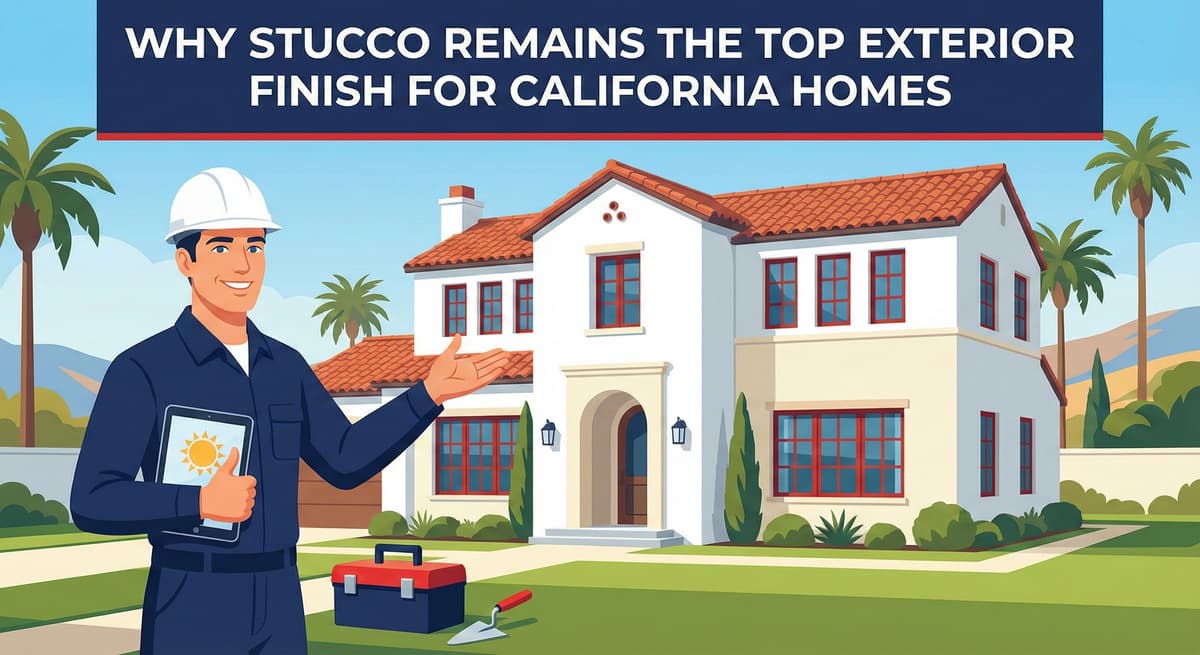
Written by Stucco Champions — Southern California’s Authority on Exterior Plastering.
5 Reasons Stucco Is Still the Best Exterior Finish in California
Drive from Santa Barbara to San Diego, and you will see one dominant architectural theme: Stucco. This isn't just a stylistic preference; it's an engineering necessity. California's unique environment—characterized by seismic activity, wildfire risks, and extreme UV exposure—demands a cladding system that outperforms wood, vinyl, or brick.
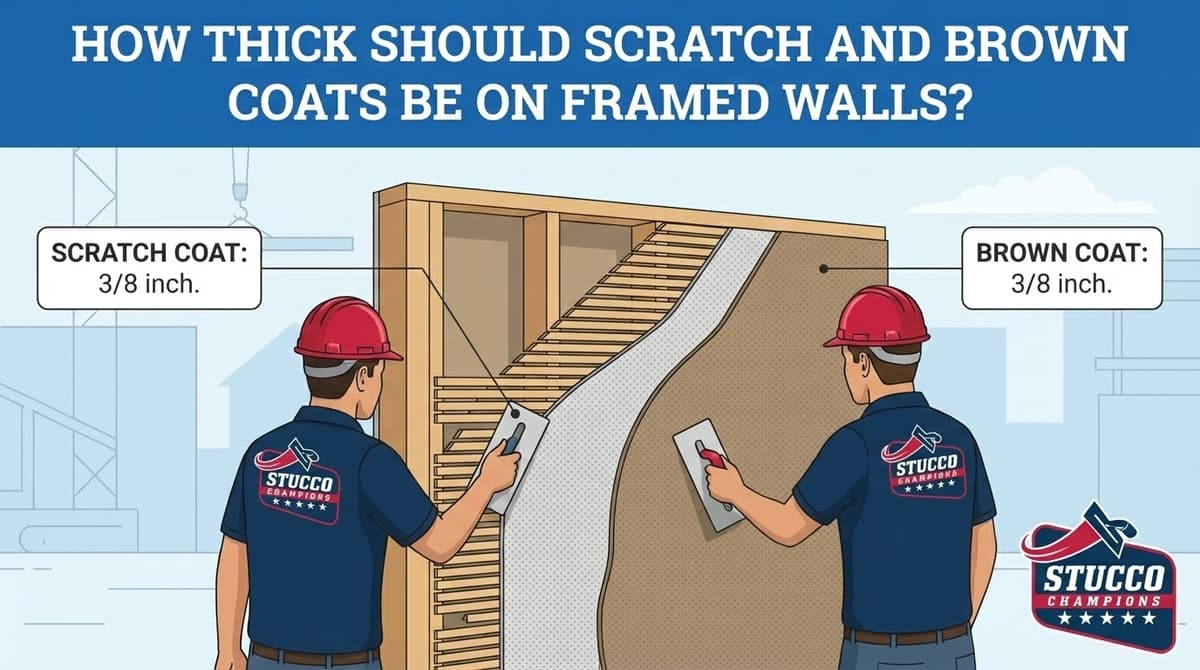
Stucco is a "Mass Wall" system. It provides a rock-hard, 7/8" thick shell that protects the wood framing of your home. This guide breaks down the 5 technical reasons why stucco remains the undisputed champion of the West Coast.
1. Fire Resistance: The WUI Advantage
California has the strictest fire codes in the nation, particularly in the Wildland-Urban Interface (WUI) zones.
The Science: Stucco is composed of Portland cement, sand, and lime. It is non-combustible. A standard 7/8" Three-Coat system provides a verified 1-Hour Fire Rating. This means that during a wildfire, the stucco wall will protect the combustible wood studs underneath from ignition for at least one hour, often saving the structure.
Free Assessment
Noticing Stucco Damage?
Get a free on-site assessment from a licensed contractor. $0 deposit, no obligation.
GET FREE ASSESSMENT2. Seismic Durability: Shear Strength
Unlike brick, which is brittle and snaps during ground movement, stucco contributes to the shear strength of the wall.
The Engineering: When properly lathed with 17-gauge wire and nailed every 6 inches, the stucco acts as a rigid diaphragm. It works in tandem with the plywood shear wall to resist racking forces during an earthquake.
3. Thermal Mass: Energy Efficiency
In the Inland Empire or High Desert, daily temperature swings can be 40 degrees.
The Physics: Stucco has high thermal mass. It absorbs heat slowly during the day (keeping the interior cool) and releases it slowly at night. This "lag effect" reduces the load on your air conditioning system far better than thin vinyl siding.
4. Longevity: The 50-Year Finish
Vinyl fades and cracks. Wood rots and requires painting every 5 years.
Stucco Reality: A properly maintained stucco wall can last 50-80 years. Because the color is often integral (mixed into the cement), it does not peel or blister like paint. It is a "lifetime" finish.
5. Comparison: Stucco vs. The Alternatives
How does it stack up against other popular sidings?
| Material | Lifespan | Maintenance | Fire Rating | Cost (Est.) |
|---|---|---|---|---|
| Stucco | 50+ Years | Low (Wash annually) | 1-Hour | $11 - $19 / sq ft |
| Vinyl Siding | 20-30 Years | Very Low | Melts | $7 - $12 / sq ft |
| Wood Siding | 20-40 Years | High (Seal every 3-5 yrs) | Combustible | $12 - $20 / sq ft |
| Fiber Cement | 50 Years | Moderate (Paint required) | Resistant | $10 - $16 / sq ft |
⚠️ The "Re-Stucco" Sign
While durable, stucco isn't invincible. If you see these signs, your system is failing:
1. Rust Stains: Corroded lath due to moisture intrusion.
2. Bulging: Delamination (stucco separating from the wall).
3. Efflorescence: White salt powder indicating trapped water.
Conclusion: The Smart Choice
Stucco is not just a style; it is a shield. For homeowners in Southern California, it provides the best balance of cost, safety, and durability. At Stucco Champions, we ensure that shield is built to ASTM standards so it protects you for decades.
Related Resources
Last week, we shared Re-Stuccoing Your Home: The Process. If your existing stucco is failing, read this.